A motivational conflict is a situation in which a consumer is driven to make a decision based on conflicting goals. Consumers are either motivated by a positive or a negative reinforcement, which forms the basis for the individuals’ motivation to act and make consumer decisions.
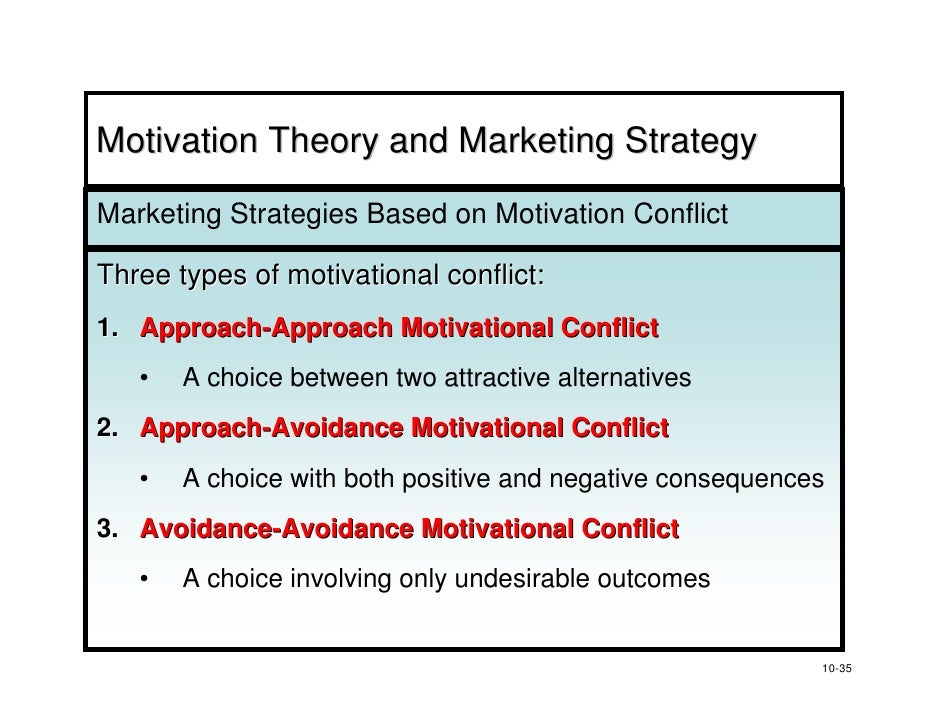
There are three main types of motivational conflict marketers should be aware of, defined as; Approach-Approach, Approach-Avoidance, Avoidance-Avoidance.
Approach/Approach motivational conflict occurs when a consumer is confronted with two choices that are equally as attractive as each other and the consumer can only choose one. Approach/Avoidance motivational conflict occurs when a consumer is attracted to purchasing a product or service but a negative motivational conflict related to the acquisition of the product is resulting in the consumer potentially not making the purchase. Avoidance/Avoidance motivational conflict occurs when consumers are faced with two equally undesirable choices. The choice can be seen as choosing between a ‘lesser of two evils’
Forever 21 is a fast fashion American company that is best known for their fast updating trends and products, and their low pricing on said products. They sell clothing and accessories, and add new stocks to their stores everyday. They have a wide variety of designs and styles for all shapes and sizes, and are updated with the ongoing fashion trends. Having said that, I would like to explain how I relate Forever 21 to the motivational conflict theory.
Approach-Avoidance

Forever 21 being a part of the fast fashion industry is a major contributor to water pollution resulting from textile chemicals and low quality products. This motivational conflict could restrain a customer from buying their products as there is an increase of environmentally conscious people. To tackle this problem Forever 21 has partnered up with I:Collect, a leading global recycling organisation that extends the life of unwanted clothing and shoes to help reduce landfill waste. Customers can also drop off a bag of unwanted clothing items and footwear to receive a 15% off coupon for their next regular purchase.
The Neilson global study states that customers are willing to pay more for brands that are environmentally conscious and are sustainable. The study states that the percentage of respondents from Generation Z has increased from 55% to 72% and are committed to positive social and environmental impact . Understanding the growth on environmentally conscious customers, Forever 21 should have a more ethical approach towards the production and disposal of its products.
REFERENCE:
Priority, G. (2019). Green Generation: Millennials Say Sustainability Is a Shopping Priority. Retrieved from https://www.nielsen.com/eu/en/insights/news/2015/green-generation-millennials-say-sustainability-is-a-shopping-priority.html
S Solomon, M., Russell-Bennet, R. and Previte, J. (2018). Consumer behaviour. 4th ed. P.Ed Australia.
 Focus
Focus 