
Understanding what customers think and feel creates effective communication and more targeted innovation road maps. By understanding the consumer learning process, a brand can be more effective in understanding a consumers purchase decisions that drive the business. In consumer behaviour terms, learning is a process where customers acquire the information applied to the future behaviour.
Forever 21 is a fast fashion retail brand which recognises the need for responsiveness of socio-cultural understanding. With the development of social media and continuous flow of information, it is important to recognise the importance of interaction of brand with its customers.
Using the four models of learning, we will identify the 2 methods used by Forever 21 to expose a customer t their brand:
:max_bytes(150000):strip_icc()/2794861-classical-vs-operant-conditioning-5afc42a343a10300370da76f.png)
1. CLASSICAL CONDITIONING

This refers to a learning process where a stimulus is paired with another stimulus thus causing a known response that operates to product a similar response when used by itself. Forever 21’s online and offline presence is undeniable, its trendy retailer’s strategy plan has helped the brand expand to the scale it has today. With 723 stores operating worldwide, a relevant and updated marketing strategy an active social media, Forever 21 uses “Repetition” as a stimulus to influence sales. Over the years, they have created such a strong brand image for themselves that we associate the yellow shopping bag and identify it with Forever 21. There is constant exposure to the brand because of its social media platforms e-commerce site and its innovative advertisements on billboards, which aims to keep customers engaged and interested.
One of their more evident and recognised billboard advertisements was in collaboration with Space 150, the digital billboard launched in 2010 which features models engaging with the Time Square’s crowd. Using innovative computer technology, the models on-screen took Polaroid pictures of people in real-time and displayed them on-screen. This high-tech surveillance was also able to identify the yellow shopping bags in the crowd, which increase the chances of being picked up. The project also included a live-screen of “love tweets” from fans with the #forever21.
2. INSTRUMENTAL CONDITIONING
This refers to the learning based on a trial-and-error process, “with habits forced as a result of positive experiences, resulting from certain responses and behaviours”. When a customer visits a store to make a purchase decision, regarding a specific pair of clothing item that aligns with their needs, they are likely to become a loyal customer and repeat their purchase. This repetition can be acknowledged as a reward for the customer and every time the same purchase decision is made the customer is content.
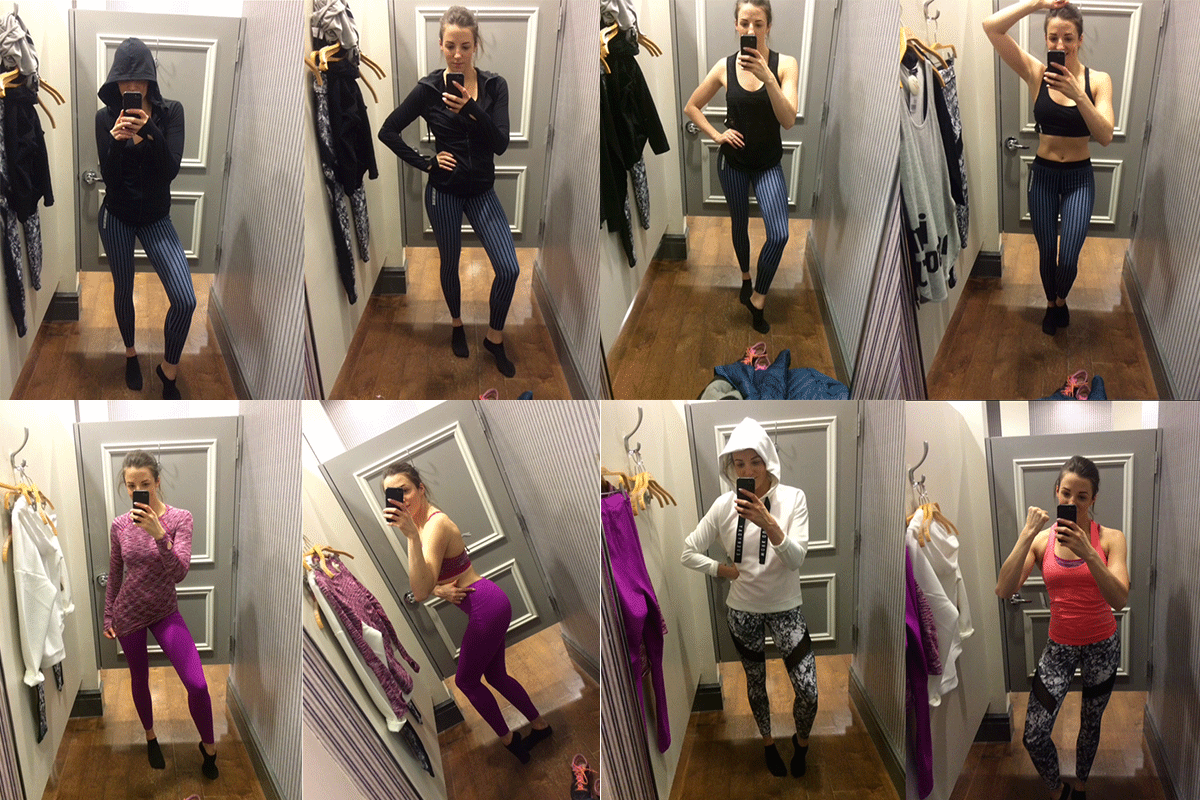
By providing trial rooms for customers and allowing them to take time in their clothing, Forever 21 gives customers the space to create a positive shopping experience and comes in the form of a reward. By partnering with other organisations for charity programs and introducing the recycling program, Forever 21 uses positive reinforcement to show customers what they are contributing towards. The positive reinforcement is a reward for customers who knows they are creating a positive impact and will therefore lead to repeat purchase.
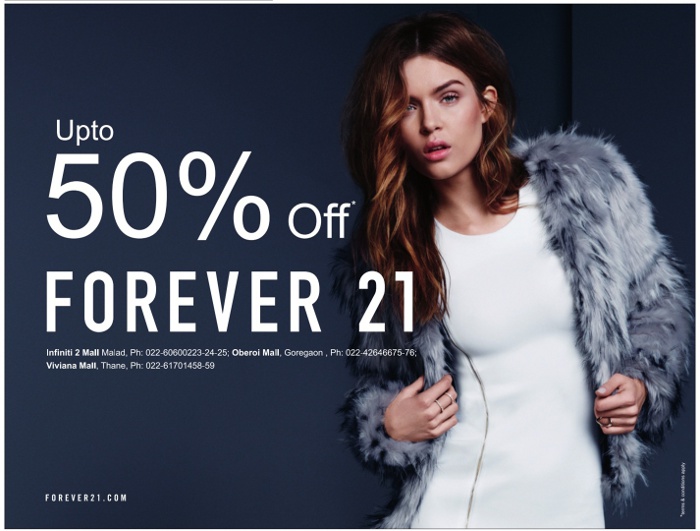
Besides the fact that is already extremely affordable and accessible, Forever 21 further penetrates into the market but having regular sales up to 70% off. They also involve social media influencers and celebrities to promote their products using coupon codes to encourage potential customers to actually try their products. This results in purchase of products because trial is encouraged, marketers hope for customers to have a positive experience to become motivated for repeated purchase.
References:
McNeill, L. and Moore, R. (2015). Sustainable fashion consumption and the fast fashion conundrum: fashionable consumers and attitudes to sustainability in clothing choice. International Journal of Consumer Studies, 39(3), pp.212-222.
S Solomon, M., Russell-Bennet, R. and Previte, J. (2018). Consumer behaviour. 4th ed. P.Ed Australia.
 Focus
Focus 