Consumer attitude is an amalgamation of a customer’s beliefs, feelings and behavioural intentions towards a product of a brand. These factors are viewed together because they are highly dependent and together denote forces that influence how a customer will react to a product. Attitude of a customer can be altered and formed using various marketing practices and through customer experience.

In an attempt to change or create an attitude of a brand, marketers must appeal to the three attributes of attitude. The functional theory of attitudes (developed by Daniel Katz) explains the functional motives of attitude to customers. Identifying that there are four functions of attitudes, each function attempts to explain the source and purpose a particular attitude might have to the customer. This is an important factor as customer attitude is an imperative step towards changing an attitude. Forever 21 incorporates these factors to create a strong brand image and stimulate repurchase:

UTILITARIAN:
This theory is developed based on the ethical theory of utilitarianism, where a customer makes a decision based on the alternative that produces the greatest amount of happiness as a whole. Forever 21 has a wide range of products in their product line which fulfills the need of majority of the customers. The brand architecture is divided into eight sub-brands which includes XXI Forever, Forever 21 Girls, Love21 Contemporary, Forever 21+, Gadzooks, 21Men, For Love21, Heritage 1981, Forever 21 Lingerie, Forever 21 Red, Riley Rose. By being inclusive of customers with different needs from, plus sized customers to price conscious and men’s wear to children’s clothing, the goal of forever 21 is to meet as many needs and wants as possible. Their items are developed simply based on the objective of producing benefits to a customer by trying to meet as many needs as possible.

Value-expressive:
This function is integrated when a customer is basing their values and attitudes regarding a product or a service on self-concept or their central values. The association of reflection that a product or service has on the consumer is the principal concern of an individual embracing the value expressive function. Forever 21 uses this function to highlight its Corporate social responsibility, some of its main activities are:
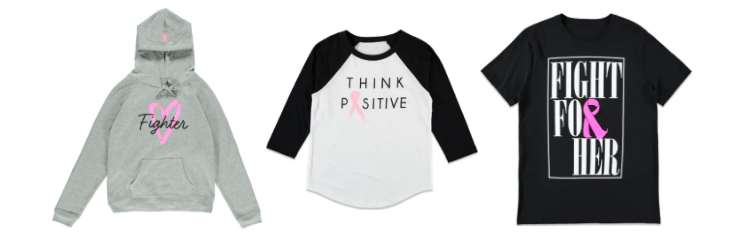
- its
recycling program which aims to reduce landfill. They have also made their
shopping bags 100% recyclable and reusable.
- They also involve in various donation drives, which collects food and clothing that are distributed to the local communities. (Give to love, love to give, $100,000, and $11.5 million in retail value was donated to throughout 2016
- They have the 3rd largest solar power instillation in California and they also use energy sufficient lighting systems to cut down on energy use.
- They continue to transport stocks via sea vs. airfreight to help reduce carbon emissions.
Ego-defensive:

This function is apparent when a customer feels that the use of a product or service might compromise their self-image. This is one of the most difficult functions to change because an individuals self image is a sensitive area of discussion and marketers need to be very careful while considering a message strategy. Forever 21 incorporates this function through one of their summer campaigns asking customers to upload their summer looks with the hash tags #F21xME OR #f21SummerCool. This gave customers a chance to be promoted through the firms social media accounts with shopable links linked to the posted merchandise. This made customers the forefront of the unique effort to drive sales, as it put the focus on consumers and fans with user generated content that created a celebrity-like atmosphere and produced a one-of a kind shopping experience. This was a success because while social media and “selfie” campaigns are common, creating a mobile-optimized shopping gallery is not seen often. Users also gained followers as Forever 21 social handle promoted them.
Knowledge:

This function is prevalent in individuals who are careful about the structure implemented in their attitude and opinions of a product or service. A marketer can change a customer’s knowledge function based attitude by using fact-based comparisons and real-world statistics. Forever 21 uses this function by developing a brand image that is focused on niche economic pricing. It is evident that customers buy the products at forever 21 because its pricing policy against other fast fashion brands. This encourages customers to buy in bulk thus increasing sales and revenue for the company.
REFERENCE:
S Solomon, M., Russell-Bennet, R. and Previte, J. (2018). Consumer behaviour. 4th ed. P.Ed Australia.
 Focus
Focus 