
Acne! It pops up only when it need it the least. A bump right on the center of your face when there’s an important event marked on your calendar, how convenient? Having struggled with acne for the longest time, I have hoarded on skincare products over time, and weeding through infinite brands in stores take up a lot of energy and what seems to be forever. Standing on the aisle reading through every ingredient and researching words I can’t even pronounce to find what seems right for my skin type could be a pretty exhausting task. The thing with skincare is even though it takes lot of time to decide on buying the right product, it takes even longer to identify if the product is having a positive impact on your skin. With Instagram, YouTube, Skincare Blog posts and a thousand-beauty guru’s telling you what products to buy, how does one arrive to making a decision?
To understand the process of consumer decision-making, we will identify the level of decision-making for skincare products as an extensive problem solving. This is because it includes a high risk and involvement, as most skincare brands are relatively expensive and carries the possibility of worsening your skin if you purchase the wrong products. To avoid this, an extensive research must be carried out to sensibly weigh the alternatives, and choose the best available option for your skin type.
Whilst buying skincare products for myself, I undergo the different stages of the consumer decision-making process:
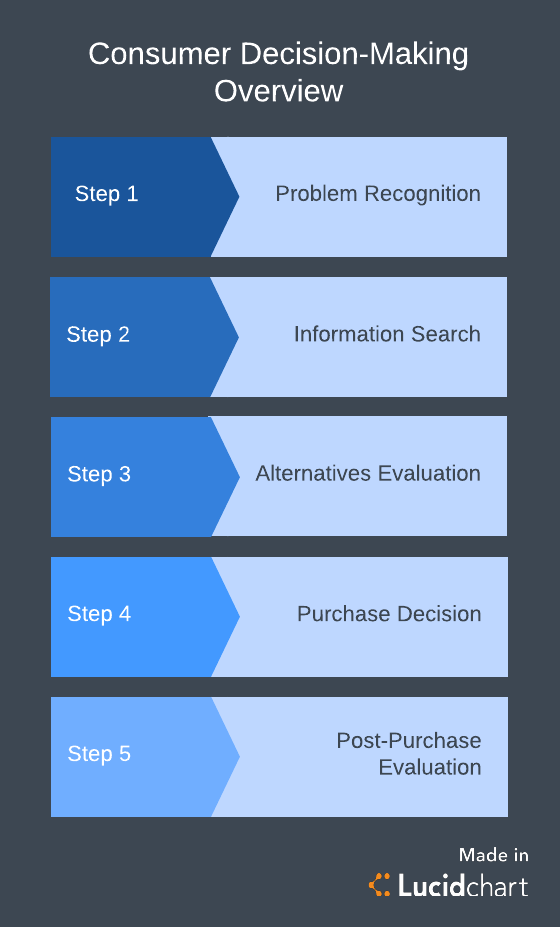
Problem Recognition
· Understanding the needs of my skin and identifying the requirements for a product that will help me cope with my skin problems, and potentially have a positive impact on it. I have sensitive acne-prone skin brokeout on certain areas of my face (typically on my forehead) therefore it was important to take these factors into consideration to ensure I had the most suitable product at hand by the end of my decision-making process
Information Search
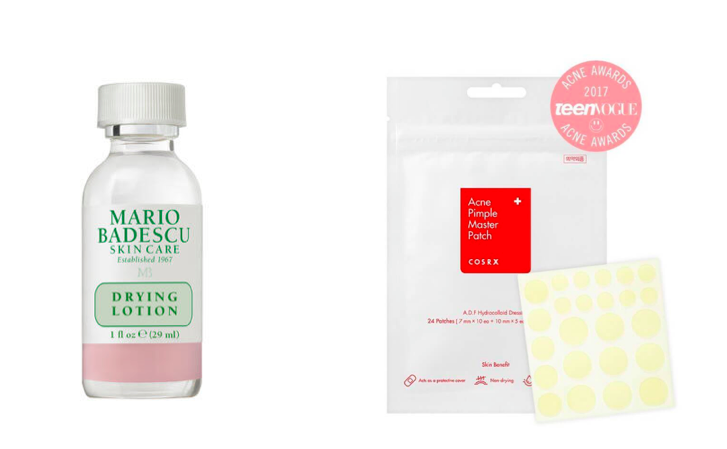
· I needed to make sure that the product was within my budget, and also catered to the needs of my skin. I did a research on the possible products I wanted to purchase through social media reviews and skincare routines uploaded by beauty gurus stating the benefits of the products. The Mario Badesceau spot treatment and the Cosrx Acne pimple master patch were highly recommended but I had to be conscious about paid sponsorships, which implied that reviewers incline towards its favorable features and thus needed to be backed up by scientific evidence. Regardless, the most important factor I had to look into was the result of the product.
Evaluation of Alternatives.
· To further disintegrate the decision making process, one could also distinguish that the brand aligns with their core values: natural, organic products, vegan and cruelty free. After viewing the potential products for purchase, I had to evaluate the evoke set against the criteria I had formed for myself by identifying the pros and cons and risks involved in buying the products.
Product Choice
· Overall, The Mario Badesceau spot treatment seemed more promising for my skin-type. Though there were reviews about its ingredients beings too harsh on the skin, the results revealed on most people influenced me into finally buying the product. Understanding that trial and error are all part of the process of finding the one holy grail for you skin, I went ahead and bought myself the $26 bottle of “magic potion”.
References:
S Solomon, M., Russell-Bennet, R. and Previte, J. (2018). Consumer behaviour. 4th ed. P.Ed Australia.
 Focus
Focus 